
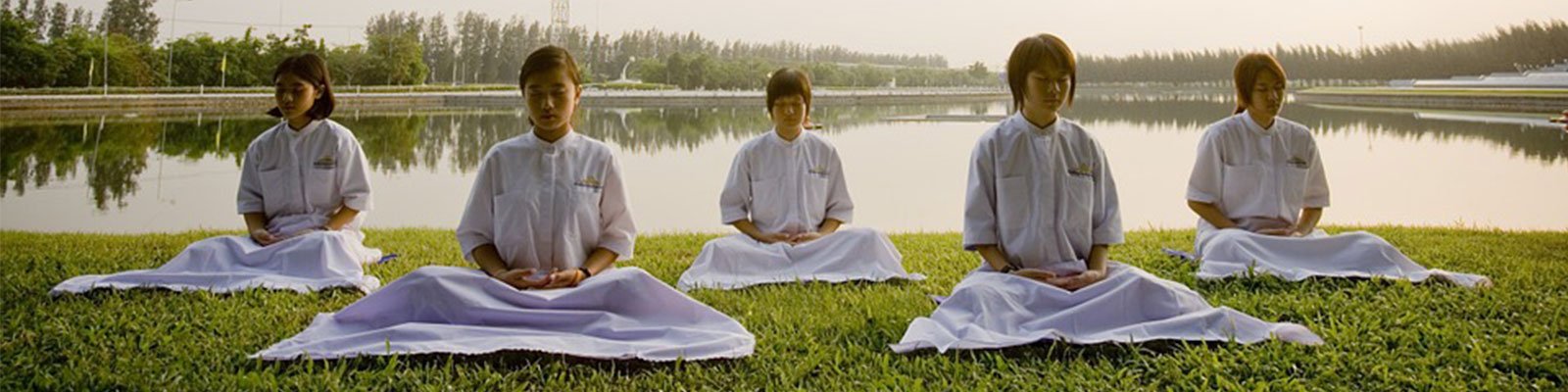
Relieve back, hip, knee, and neck pain during meditation
Meditation is often pictured as a peaceful, effortless practice. But anyone who has sat still for more than a few minutes knows the truth, pain is part of the journey. Whether it’s a stiff back, aching hips, or numb legs, these discomforts are common for both beginners and seasoned meditators.
The good news is, with awareness, the right support, and consistent practice, you can overcome these physical challenges. This article shares practical tips to manage pain during meditation and keep your practice strong.
Why Pain Happens in Meditation
When we meditate, we remain in one position for an extended period. Even with cushioned seats or angled meditation benches, discomfort can arise in the hips, knees, back, or neck. Cushions and mats can delay or soften the pain, but they won’t eliminate it completely. Over time, however, your body adapts, and the pain lessens as your posture and endurance improve.
That’s how experienced meditators are able to sit for hours with ease. You can get there too, step by step.
Common Pain Points and How to Relieve Them
1. Neck Pain and Breathing Discomfort
If you feel like it’s difficult to breathe or your neck is straining, your head may be bent forward without you realizing it.
Solution: Simply straighten your neck. This opens the airway, eases breathing, and prevents tension.
2. Back Pain (Middle or Lower Back)
A bent spine is a major cause of back pain. Even with an angled cushion to support your posture, your back may round as you relax into meditation.
Solutions:
Keep your spine upright and long. Gentle awareness of posture throughout your session is key. Daily stretching or yoga also helps train your back to stay straight for longer.
If you like, you can lean against a wall. This provides support and allows your back to relax. However, it’s best to practice meditating without relying on the wall whenever possible, as this builds strength and endurance over time.
3. Hip Joint Pain
This is the toughest pain most meditators face, especially if both knees don’t touch the ground.
Solutions:
Place a support pillow under the knee or thigh of the leg connected to the painful hip.
Slowly extend that leg straight for a short time, then bring it back gently.
With consistent meditation, hip pain will naturally reduce.
4. Knee Pain
When one knee is slightly elevated off the ground, strain can build.
Solutions:
Use a leg rest pillow for support.
Straighten the leg temporarily to release pressure before returning to your posture.
Daily practice strengthens the knees and reduces pain over time.
5. Numbness in Legs or Feet
Numbness occurs when blood circulation is partially restricted, very common during long sits.
Important: This is harmless. Blood continues to flow through other veins. Over time, numbness reduces naturally.
Solution: Gently straighten your leg, rest for a moment, and return to your original posture.
6. Eye Pain or Pressure
Some meditators feel pressure behind the eyes, as if the eyes are straining to look forward through closed lids.
Solution: Keep your neck straight, close your eyelids softly, and direct your gaze inward toward the tip of your nose. This immediately eases the pressure.
Final Thoughts
These discomforts are not a sign of failure, they are part of the path. Every meditator, especially beginners, experiences them. The key is not to be discouraged. With cushions, mindful adjustments, and daily practice, your body will gradually adapt.
Remember: no gain without pain. Stay consistent, stay patient, and meditation will reward you with benefits far greater than these temporary aches.
Keep sitting. Keep practicing. Never give up.